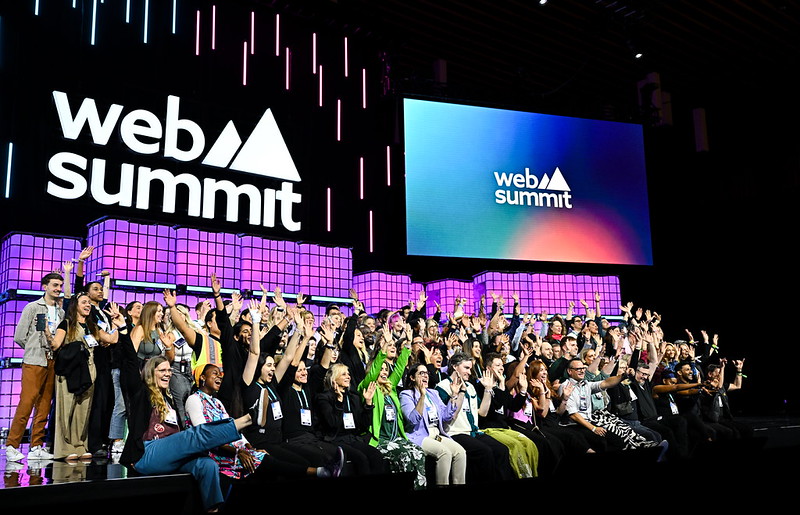
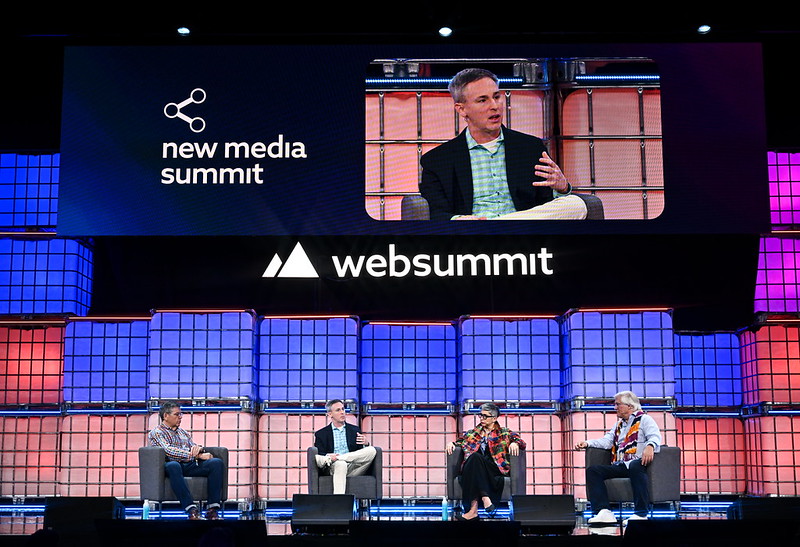
There are conferences, and then there are catalysts. Web Summit has never been content to be the former. Since its founding in Dublin over a decade ago, it has grown into something altogether different: a global gathering of the people who are actively building, disrupting, funding, and questioning the future. Over one million attendees have passed through its doors across four continents. The Guardian dubbed it “Glastonbury for geeks.” Sky News called it “the tech world’s glitterati.” Neither description fully captures it, but both point to the same truth: when Web Summit arrives in your city, the conversation shifts.
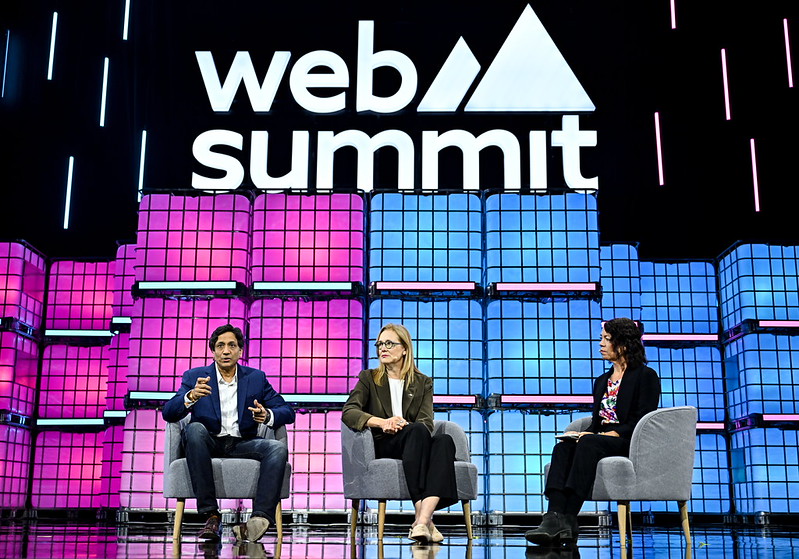
This May, Web Summit returns to Vancouver for its second edition, and the timing could not be more charged. The global tech and trade order is being rewritten in real time. U.S. tariffs are reshaping supply chains. Canada is emerging as a convener of middle powers navigating a fractured geopolitical landscape. Artificial intelligence is no longer a promise on a whiteboard; it is inside hospitals, courtrooms, studios, and governments, and the world is still sorting out what that means. Vancouver, home to one of North America’s fastest-growing AI talent pools, a five-billion-dollar gaming industry, and a creative ecosystem anchored by studios like Disney’s Industrial Light & Magic and Electronic Arts, is exactly the right place to have this reckoning.
Web Summit Vancouver 2026 will welcome more than 20,000 attendees from over 120 countries, alongside 1,500 exhibiting startups, 700 investors, and 600 members of the global media. The scale is formidable. What makes it worth your attention, however, is not the numbers but the depth of thought gathered under one roof.
Voices Worth Hearing
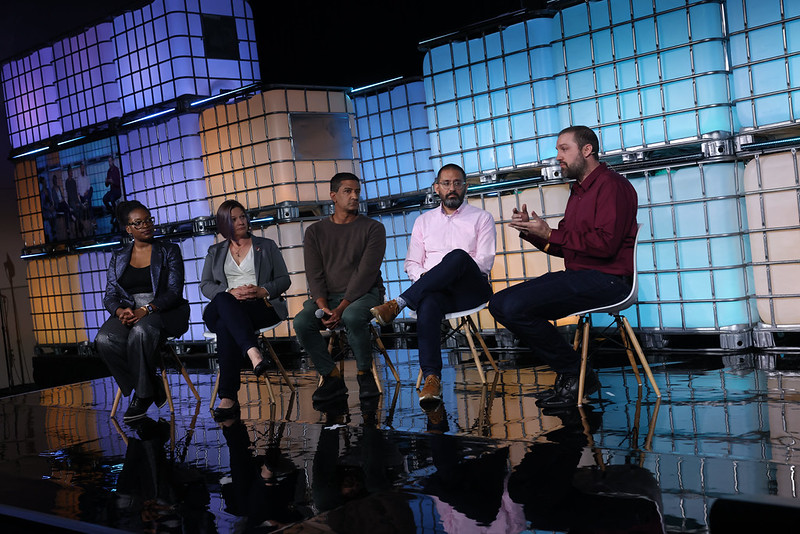
The speaker lineup is one of the most intentionally curated in the event’s history, and two names stand out before the programme even officially opens.
Kelly Day, Vice President of International at Amazon Prime Video, is one of the most consequential figures in global streaming, and her presence signals that the conversation around content, culture, and technology is finally maturing. Day oversees Amazon Prime Video’s entire business outside the United States, and in early 2025 she expanded her mandate to include all international originals. The results were immediate: Germany’s Maxton Hall became the most-watched international original in Prime Video history, reaching number one in nearly 100 countries. The Spanish-language Culpables reached 100 million viewers worldwide. Before Amazon, she rolled out Paramount+ and Pluto TV globally as President of Streaming at ViacomCBS. Her conviction is clear and worth hearing on a main stage: the next global hit is not coming from Hollywood. She is already commissioning out of Korea, India, Japan, Italy, and Spain, and she is proving her thesis correct.
Gabor Maté brings something different and equally vital. A physician, Order of Canada recipient, and author of five bestselling books published in nearly 40 languages, including the New York Times bestseller The Myth of Normal and the award-winning In the Realm of Hungry Ghosts, Dr. Maté is one of the world’s foremost authorities on the relationship between trauma, addiction, and modern social pressure. At a summit defined by technological acceleration, his presence is a deliberate act of editorial intelligence. The question of how current tech and corporate cultures are shaping human well-being is not a peripheral concern. At Web Summit Vancouver, it is part of the programme.
Max Levchin, co-founder of PayPal and CEO of Affirm, will bring his perspective on fintech’s next chapter, built on a central thesis of radical transparency. Sam Register, who oversees Warner Bros. Animation, Cartoon Network Studios, and Hanna-Barbera Studios Europe, has been vocal in his commitment to protecting artists from the encroachment of AI, a position that will land with particular force at a summit dedicated to honest conversations about where the technology is and is not working. Andrew McKechnie, Head of Business Creative at OpenAI, will address how the company communicates its technology to the one million businesses now building on top of it. And Jeremy Fraenkel, CEO of Fundamental, arrives fresh from one of the largest Series A rounds in recent memory, with a contrarian bet on structured data as the most undervalued asset in AI.
The Women in Tech Programme
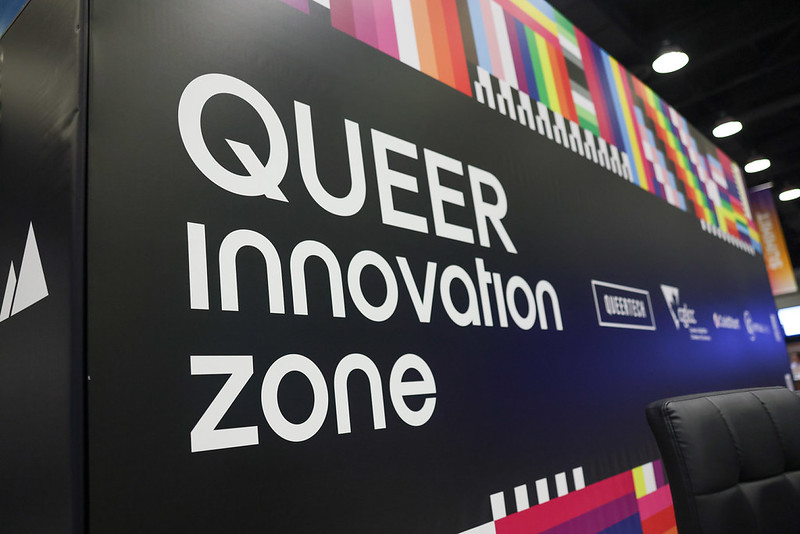
Web Summit’s commitment to women in tech is not rhetorical. The Women in Tech programme, which sells out each year, offers discounted tickets and a curated event experience designed specifically to support the growth of women entrepreneurs. Attendees gain access to a dedicated networking space, curated meetups, and tailored digital content, creating a distinct track within the larger event that is both substantive and practical.
Kelly Day’s presence on the main stage is its own statement. She is not speaking as a representative of a diversity initiative; she is speaking as someone who has spent years proving that culturally intelligent, globally minded content strategy outperforms the Hollywood-centric default. In an industry where international voices have long been treated as secondary markets rather than primary sources of creativity, her record reframes the conversation entirely.
The broader programme reflects a similar sensibility. The Women in Tech programme is designed with the understanding that access, while necessary, is not sufficient on its own. The networking spaces and curated connections offer something more directed: the infrastructure for the kinds of relationships and visibility that translate into actual professional momentum.
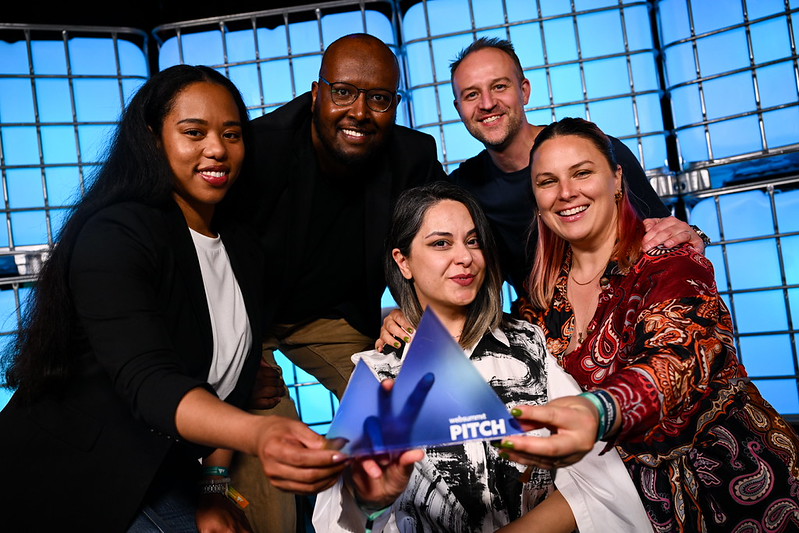
Community, Connections, and the Spaces Between Stages
What distinguishes Web Summit from virtually every other event at this scale is its proprietary approach to connection. Summit Engine, the platform’s intelligent matching software, groups attendees into small, niche communities based on high-affinity criteria, ensuring that every scheduled interaction is relevant and purposeful rather than coincidental. In a room of 20,000 people, the technology solves for the most persistent problem of large-scale events: the difficulty of finding exactly the right person.
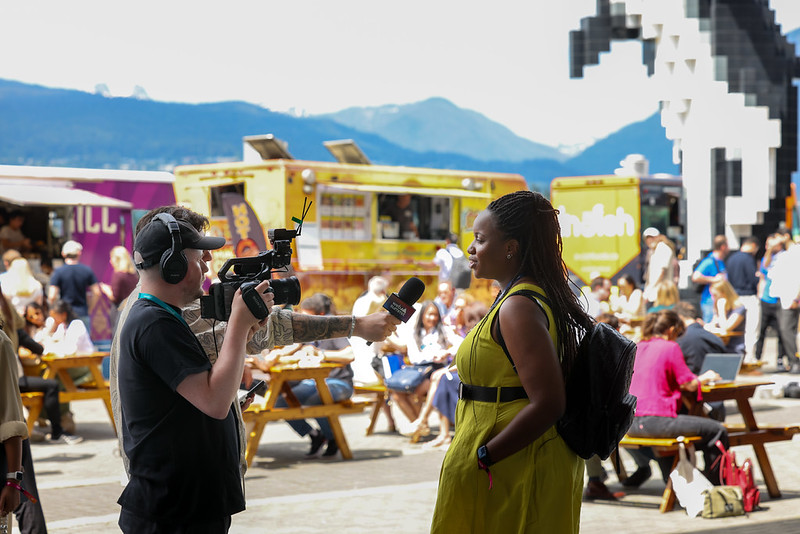
Meetups are central to the experience. The Community Space will host 15 dedicated meetups across a wide range of constituencies, including Peace Geeks, focused on social impact technology; Black Engineers Canada, connecting Black developers across the country; and the League of Innovators, a network for founders under 30. These are not casual mixers. They are structured opportunities for communities that are often fragmented across geographies and industries to gather, compare notes, and build something durable.
The developer community receives its own dedicated attention this year, with bespoke meetups and curated connections designed to bridge the gap between stage programming and the people who are actually writing the code. University students across Canada are being brought into the fold through partnerships with top institutions and student-led organizations, recognizing that the next generation of builders is already here and paying close attention.
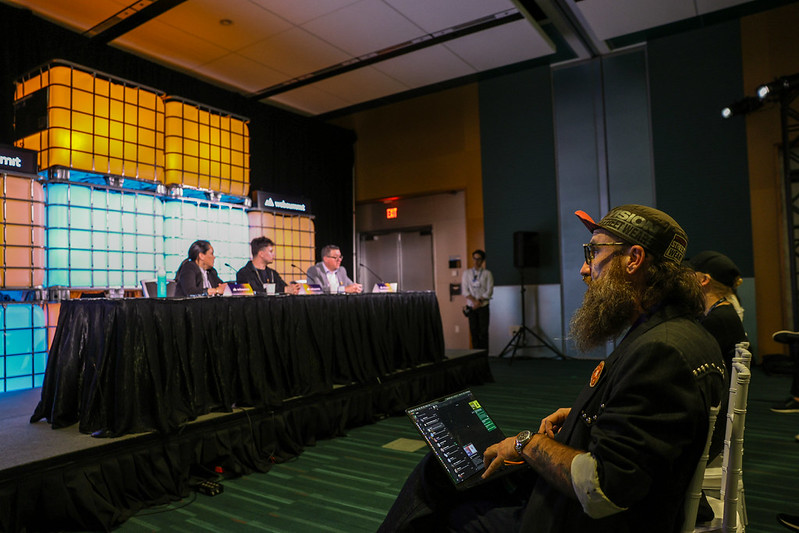
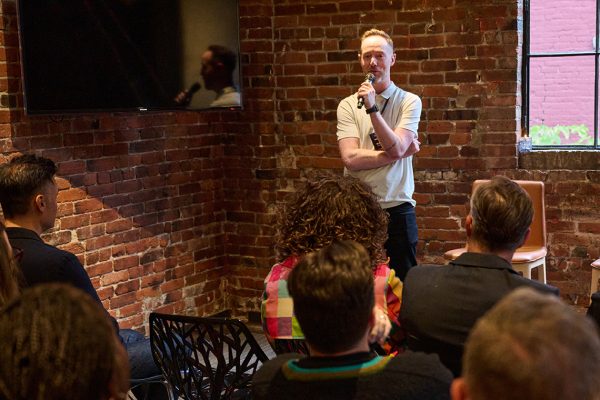
Kris Krug, Indigenomics | Portfolio.YVR Feature | Click image to link.
Perhaps the most meaningful community initiative in the programme is the Indigenous Communities Engagement track, which will provide complimentary access for 200 Indigenous tech entrepreneurs. Alongside structured meetups, attendees will participate in sharing circles with Indigenous tech leaders and founders. The programme is built around an explicit framework of respect, reciprocity, and innovation, and it reflects an understanding that meaningful inclusion requires more than an open door.
Night Summit extends the experience beyond the convention floor. Post-event gatherings organized by industry, continent, and nationality create the conditions for the kinds of conversations that never quite happen in the structured programming of a keynote day. Vancouver’s geography and culture are part of the offering here. The city has its own energy, its own creative and entrepreneurial identity, and Web Summit is designed to move through it rather than exist apart from it.
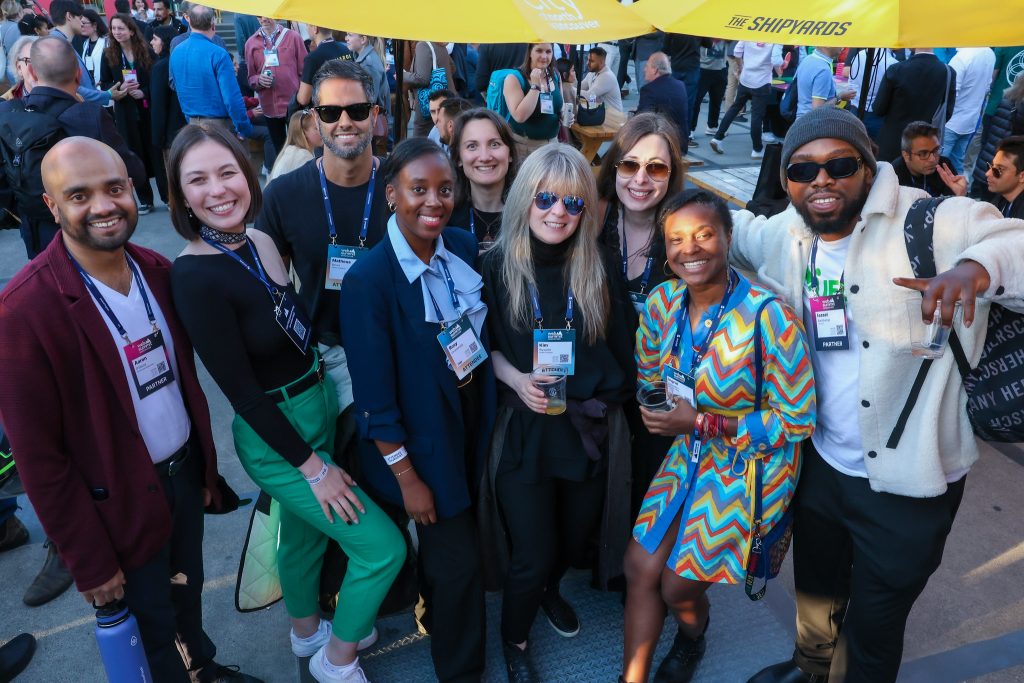
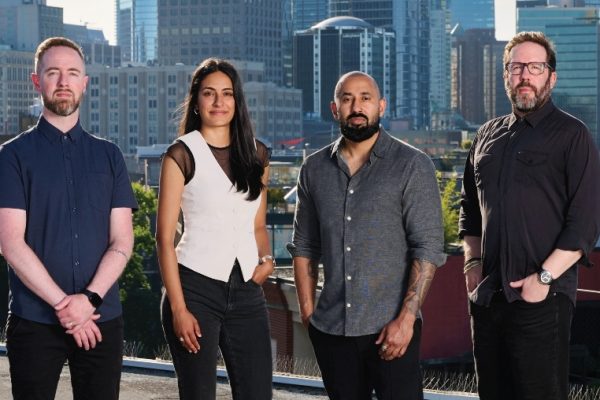
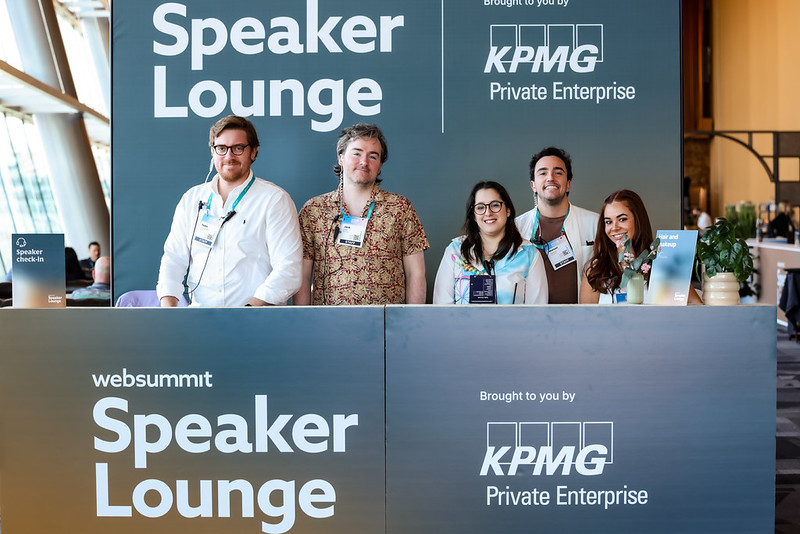
Aaron D’Souza and friends at Web Summit | Click Image to Link
The Tracks Worth Following
Three new content tracks debut at Web Summit Vancouver 2026, and their focus says something important about the moment. Film Summit brings together studios, streamers, and storytellers navigating a production landscape being transformed by generative AI and new distribution models. Gaming Summit examines the technologies, from indie studios to industry giants, reshaping entertainment and interactive storytelling. Planet Tech gathers the founders, scientists, and investors working on climate, from fusion energy and carbon capture to reforestation and circular economies.
The existing tracks run equally deep. The AI Summit holds space for the critical question that the industry has spent years avoiding: does AI actually work, and at what cost? The Government Summit examines whether technology is genuinely helping or quietly hindering democratic governance. The New Energy Summit addresses how nations can balance energy security, affordability, and decarbonization in a world where the political will to do all three simultaneously is in short supply.
Why This One Matters
Web Summit has earned its reputation not by being the loudest room in the industry calendar but by being the most rigorous. It has always understood that the most valuable thing it can offer is not access to capital or visibility for a product launch, though both happen here in abundance. It is the quality of the thinking. The willingness to put people on a stage who will say something difficult, or something that contradicts the prevailing optimism, or something that asks the room to slow down and reckon with consequences.
At a moment when AI is everywhere and understood by very few, when the global order is reorganizing itself in ways that will determine who builds the future and who is left out of it, and when Vancouver itself stands at an intersection of creative, technological, and Indigenous innovation unlike any other city in the country, Web Summit Vancouver 2026 arrives with something rare: genuine stakes.
We will be there for all of it.
Author Profile

- This story is created in collaboration between Helen Siwak and the featured subject. As the founder and publisher of Portfolio.YVR Business & Entrepreneurs Magazine, Helen works closely with entrepreneurs to share their paths of innovation, resilience, and growth. Each story in this series is co-developed through interviews and first-person insights, blending authentic voices with Helen’s editorial expertise to highlight the remarkable individuals shaping British Columbia’s business landscape.
Latest entries
 PORTFOLIO.YVRJune 8, 2026Portfolio.YVR Web Summit Vancouver 2026 Special Edition: BC Founders Building for Business, Community, and Net Safety
 People of Portfolio.YVRMay 21, 2026Tropoly Reaches 1,000-Automation Milestone as North American Retailers Lean on AI to Offset Margin Pressure
 PORTFOLIO.YVRMay 16, 2026Espanda Ghorbannia (Convoy Communications) Redefines Luxury Experiential Strategy in Canada & Middle East
 PORTFOLIO.YVRMay 16, 2026Michelle Raymond (Raymond Realty) Two Decades of Heart-Centred Luxury Real Estate in Vancouver