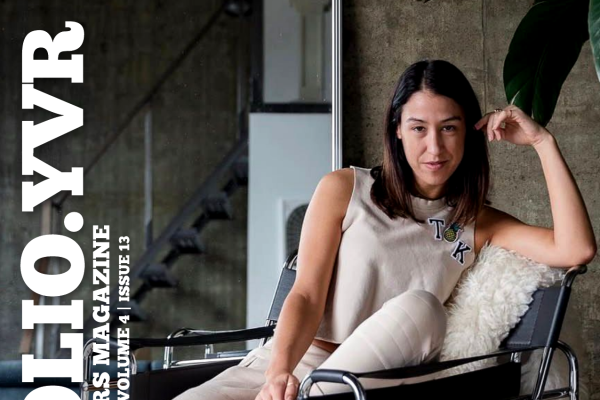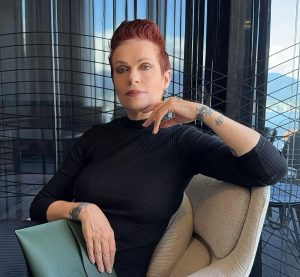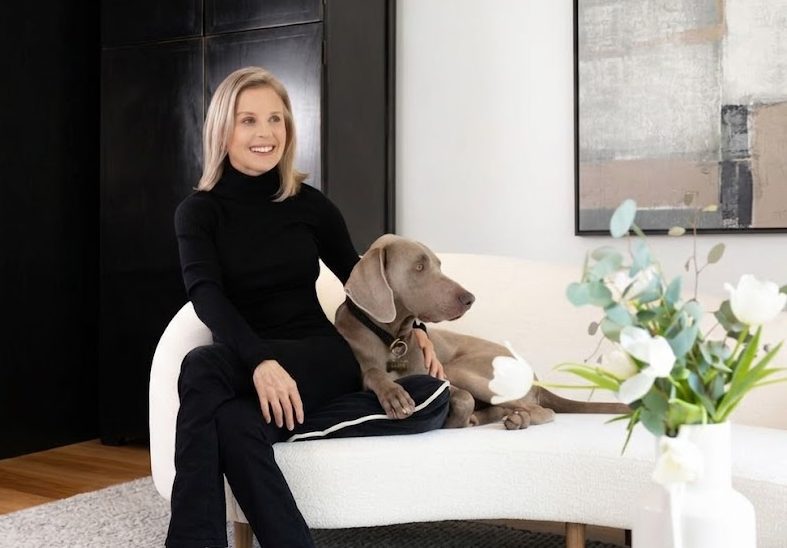
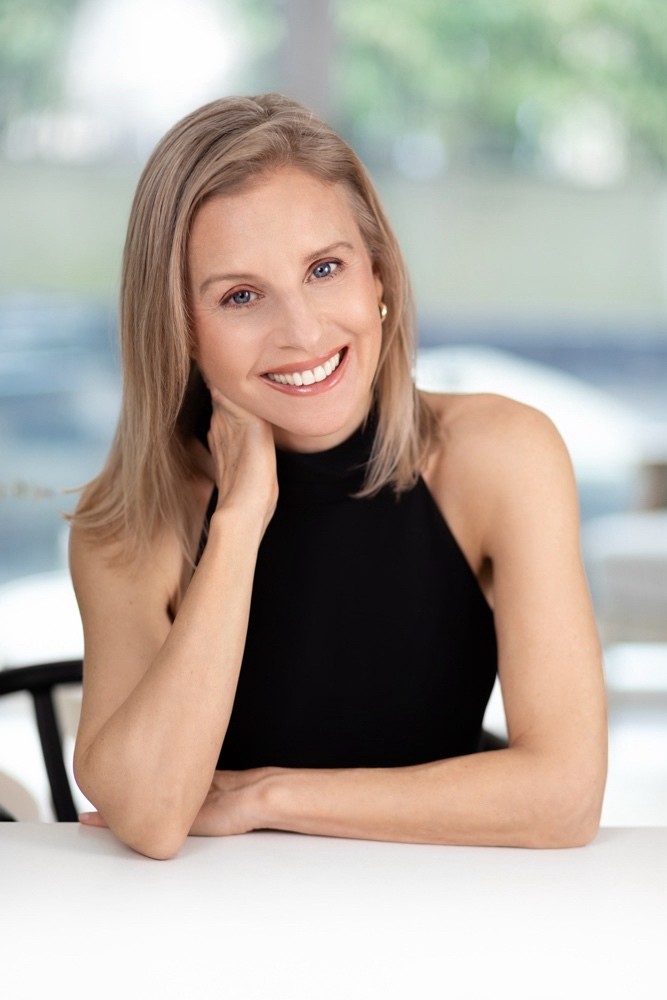
Donna Verlaan is a Vancouver-based building materials strategist working at the intersection of design, construction, and procurement. With over two decades of experience, she has held senior leadership roles overseeing multi-million-dollar business units and partnering with architects, developers, and contractors to deliver complex, design-led projects.
Her work is defined by an ability to translate creative vision into commercially viable, well-executed outcomes, with an expertise rooted in understanding how materials move through a project. She brings clarity to the points where decisions can shift or quietly fall away — from early architectural specification through to what is ultimately built — ensuring the integrity of a design is carried through to its final expression.
She is currently developing Matera, an emerging platform designed to support greater alignment between architectural intent and the realities of sourcing and building.

COMPANY BIO
Matera is a platform designed to bring greater intelligence and alignment to the building materials landscape.
Much of the industry continues to operate through fragmented, largely analog systems — reliant on spreadsheets, siloed information, and relationships that function well at smaller scale but become increasingly strained as projects grow. Materials are thoughtfully selected during the design phase, yet that vision can shift as projects move toward construction, often due to limited visibility into pricing, availability, and sourcing. The result is a consistent disconnect between what is imagined and what is ultimately realized.
Matera is being developed to address that gap — bridging specification and procurement through closer supplier alignment and a more considered approach to sourcing. By translating design intent into a clearer path forward, the platform supports better decision-making earlier in the process, with a natural reduction in unnecessary waste and a stronger through-line from concept to completion.
IN HER WORDS
The instinct to build has always been there — not in the physical sense alone, but in the way ideas, people, and systems can be brought together to create something cohesive. There was no single defining moment that set me on an entrepreneurial path. It developed over time, shaped by years of working at the intersection of design and construction, translating a designer’s vision into something that could actually be realized within the constraints of budgets, timelines, and procurement realities. That position — the one that lives between imagination and execution — is where my focus took root.
What sharpened that focus was a pattern I could not ignore. Again and again, across different projects, teams, and contexts, materials would be carefully specified with clear design intent, only to shift as the project moved through procurement and into construction. The gap between what was envisioned and what was ultimately built was rarely the result of carelessness. It was structural. The industry was still operating through fragmented, largely analog systems — long-standing relationships, informal communication channels, and processes that had not evolved alongside the scale and complexity of modern projects. I spent years navigating that gap from the inside. Eventually, I became more interested in asking why it existed at all.
EARLY LESSONS IN EXECUTION
One of my earliest ventures came during my university years, when I began importing small collections of home objects after spending time in Europe and traveling through Turkey. I was drawn to the design, the cultural richness, and the sense of history embedded in those pieces — how different they felt from what was available locally. Securing my first retail buyer, Chintz and Co., was a pivotal moment. It was the first time I watched something move from idea to commercial reality, and it made the entire process feel tangible in a new way.
It was also instructive in ways I did not fully appreciate at the time. I learned quickly how many elements must align simultaneously — sourcing, pricing, timing, logistics, and the confidence to move forward despite uncertainty. Even small missteps could shift the outcome considerably. That early experience planted a lesson I have carried through every subsequent chapter: the gap between vision and reality forms most easily when those foundational elements are not fully in alignment.
THE LONG GAME
My father built and led his own business, and growing up inside that environment gave me an early and lasting understanding of what it truly means to create something. Not just the outcome, but the responsibility, the decision-making, and the people who make it possible. That perspective shaped how I approached every leadership role that followed.
Early in my career, the focus was on execution — building teams, delivering results, and bridging the priorities of designers, contractors, and suppliers. Over time, that shifted. I became less interested in managing complexity within existing structures and more curious about why that complexity existed in the first place. Rather than a single defining setback, it was an accumulation of experience — moments where things required far more effort to hold together than they should have — that led me to step back, question the system, and begin thinking about how it could function more effectively.
That progression, from executing within the industry to rethinking how it could operate, is what ultimately led me to build Matera.

BUILDING WITH INTENTION
Scaling, for me, has never been about speed. In leadership roles, it meant stepping back from the day-to-day to take a more holistic view — reorganizing teams, refining processes, and ensuring the structure of a business could support what was being built without unravelling under pressure. Growth without integrity is not growth worth pursuing.
That same discipline shapes how I am approaching Matera. The priority at this stage is getting the foundation right — understanding the problem clearly, working through it in a real and practical way, and ensuring that what is being built reflects how the industry actually operates. Conviction did not come from a single breakthrough moment. It came from watching the same pattern repeat across enough projects and organizations that it stopped feeling like a series of isolated challenges and became something far more consistent — and far more solvable.
THE VALUE OF COMMUNITY
Mentorship and community have been quietly essential throughout this journey. My father’s example established the foundation. Beyond that, being part of founder-focused organizations — among them The 51 and The Forum — has offered both perspective and access. These spaces create room for honest conversation around capital, growth, and long-term vision, and they provide the kind of grounded insight that comes only from being surrounded by others who are building, navigating complexity, and thinking at a similar level.
I have participated in those communities as both mentee and mentor, and that dual role has reinforced something I believe deeply: there is a level of clarity that emerges when you are asked to articulate your thinking to someone else. It sharpens what you know and surfaces what still needs work.
THE WORK WORTH DOING
If there is advice I would offer to those earlier in their journey, it is this: understand the problem deeply before attempting to scale a solution. There is persistent pressure to move quickly, to prove something faster than the work actually requires. But the time spent truly observing how a system functions — where it holds and where it begins to fracture — is precisely what leads to more meaningful and more durable innovation. I underestimated that early on. I no longer do.
My definition of success has evolved accordingly. It is no longer primarily about outcomes or milestones. It is about building something thoughtful, resilient, and genuinely aligned with how things work in practice — something that sustains its integrity as it grows, rather than simply scaling quickly and hoping the structure holds.
MATERA
At its core, Matera is focused on closing the gap between how projects are designed and how they are actually built. Today, materials are frequently specified without clear visibility into sourcing, availability, or cost, and as projects move forward, that disconnect produces inefficiency, unnecessary change, and outcomes that differ from the original vision.
Matera is being developed to bridge that space — introducing a more intelligent and connected approach to how materials are sourced, evaluated, and brought into a project. By creating greater visibility earlier in the process, it supports better decision-making and more consistent outcomes. As Matera moves into its next phase, I am actively seeking collaborators within the design and construction community, experienced technical partners with backgrounds in platform development and systems thinking, and aligned investors who understand both the scale of the opportunity and the importance of building the right foundation at this stage. What I am looking for, above all, are partners who value long-term thinking — because that is precisely how Matera is being built.
THE LEGACY BEING BUILT
Legacy, for me, is not about scale or recognition. It is about contributing to a shift that outlasts any single project or platform — a quieter, more systemic change in how the design and construction industry operates.
If Matera can support a more thoughtful approach to how materials are selected, sourced, and brought into a project — reducing unnecessary change, improving outcomes, and naturally limiting avoidable waste — then it will have made a contribution that extends well beyond the business itself. The built environment shapes how people live and work every single day. The decisions made during the design and construction process are rarely visible to the people who ultimately inhabit those spaces, but their impact is constant and lasting.
The legacy I hope to leave is one of greater integrity in that process — a more connected relationship between what is designed and what is realized, where clarity and consistency are the standard rather than the exception. That is what drives the work, and it is what I want Matera to stand for long after the foundations have been laid.”
Author Profile

- This story is created in collaboration between Helen Siwak and the featured subject. As the founder and publisher of Portfolio.YVR Business & Entrepreneurs Magazine, Helen works closely with entrepreneurs to share their paths of innovation, resilience, and growth. Each story in this series is co-developed through interviews and first-person insights, blending authentic voices with Helen’s editorial expertise to highlight the remarkable individuals shaping British Columbia’s business landscape.
Latest entries
 PORTFOLIO.YVRJune 8, 2026Portfolio.YVR Web Summit Vancouver 2026 Special Edition: BC Founders Building for Business, Community, and Net Safety
 People of Portfolio.YVRMay 21, 2026Tropoly Reaches 1,000-Automation Milestone as North American Retailers Lean on AI to Offset Margin Pressure
 PORTFOLIO.YVRMay 16, 2026Espanda Ghorbannia (Convoy Communications) Redefines Luxury Experiential Strategy in Canada & Middle East
 PORTFOLIO.YVRMay 16, 2026Michelle Raymond (Raymond Realty) Two Decades of Heart-Centred Luxury Real Estate in Vancouver